| Hello! Log in or Register | Help | Donate | Premium Membership | Buy Shirts | See all banner ads | Advertise on TheSamba.com |
|
|
|
|
||||||||||||||
| B-pillar | The roof support metal between the front door window and the rear side window. Also see A-pillar, C-pillar, and D-pillar | |||||||||||||||
| Baby Dells | Nickname for the 34mm version of the
Dellorto carburetor. |
|||||||||||||||
| Baby Webers | Nickname for the smaller version of the Weber carburetor. | |||||||||||||||
| Baby Window | Hawaiian nickname for Oval-Window Beetle. | |||||||||||||||
| Badge | Term to describe a variety of chrome, metal,
enamel or other type badges applied to the body of a VW. Some examples are
Auto Club related, dealer badges, scripts, or mileage awards.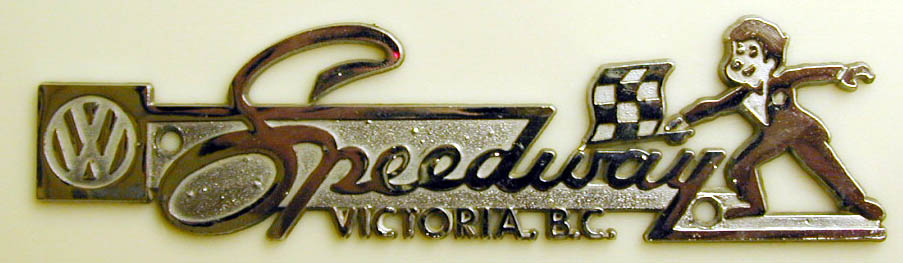

 |
|||||||||||||||
| Bagged | Slang term to indicate that a VW is equipped with a custom air suspension consisting of "air--bags". | |||||||||||||||
| Baja |
A Beetle sedan, typically with fiberglass
fenders and a hood, that has been modified for off-road usage. Front
and rear aprons are usually cut to accommodate the replacement front end and to
increase engine access in the rear.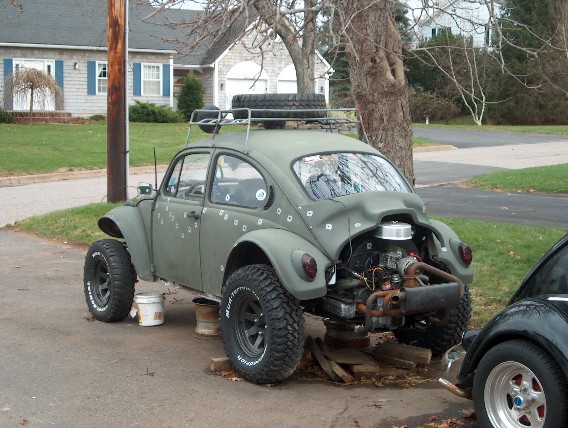
|
|||||||||||||||
| Baja Champion | For the USA, Volkswagen decided to use their first special edition to capitalize on recent victories in Baja, though it was a Super Beetle, so the Weltmeister was named Baja Champion. Same paint; same wheels, but a Baja Champion was a US spec car. Also see Weltmeister | |||||||||||||||
| Bakelite | Plastic-like material used for various items
in early VWs such as dashboard faces and turn signal relay housings.
An item cam be checked if it is Bakelite by using a Q-tip with 409.
The Q-tip will turn yellow.  |
|||||||||||||||
| Ball joint | Flexible coupling in a vehicle's suspension
that connects the control arm to the steering knuckle. A ball joint is so
named because of its ball-and-socket construction. Some are designed to
never require grease while others should be lubed every six months. As the
joint wears, it becomes loose. The result is suspension noise and wheel
misalignment. |
|||||||||||||||
| Bamboo Tray | See Parcel Tray. | |||||||||||||||
| Banana Pressing | The outward stamp on the back of 36hp fan
shrouds, shaped like a banana. |
|||||||||||||||
| Barndoor | Any Bus produced through
the end of February, 1955. The term Barndoor is credited to Jeff Walters and is
in reference to the large decklid found on those vehicles. Barndoor Type 2's can also be
recognized by the lack of an overhead fresh air vent over the windshield, 16 inch
rims,
the lack of full dash on non-deluxe models, non-opening rear window hatch (a few exceptions);
not to mention miscellaneous switches, latches, seats and body panels that are unique to the Barndoor
Bus and no other.
The term is often mistakenly used to refer to the 2 cargo doors on the side
of a Bus.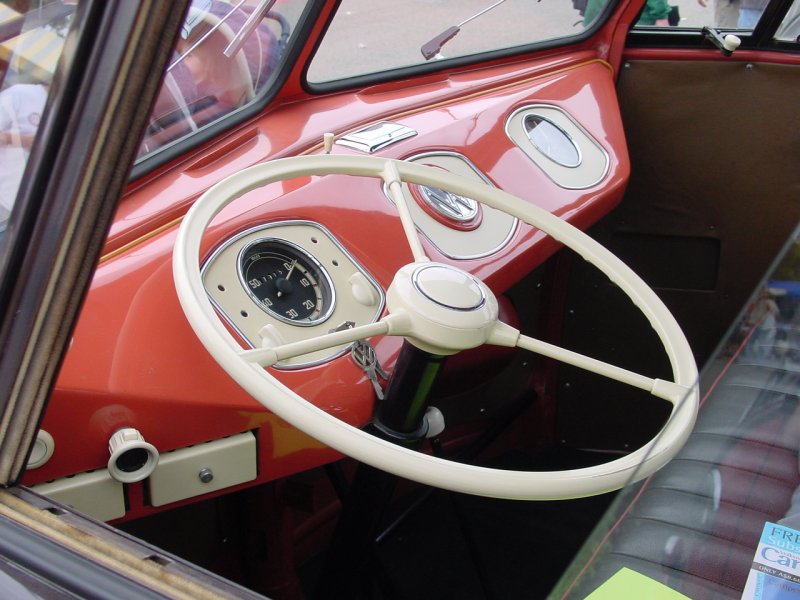 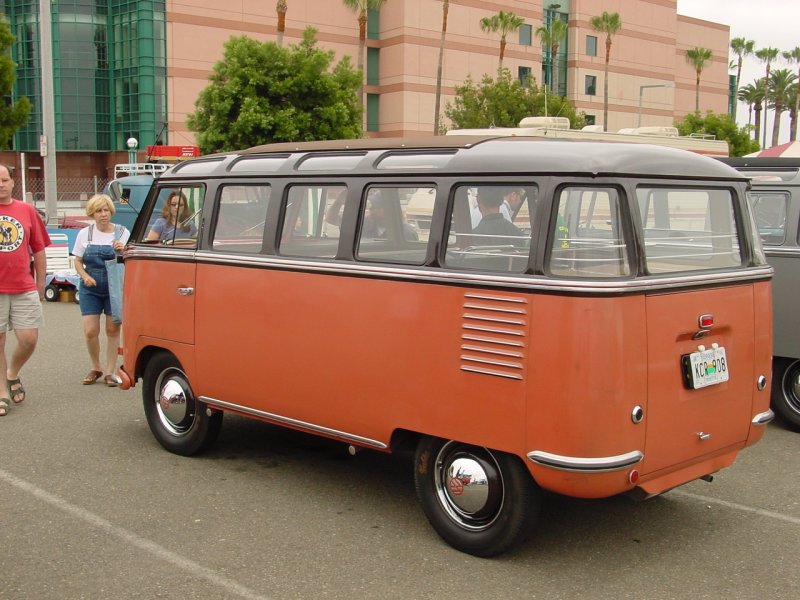 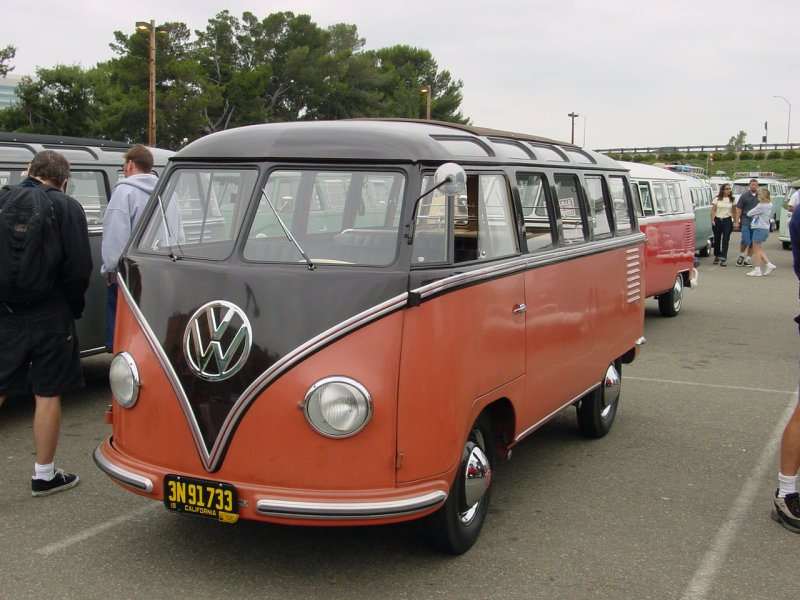 
 October 1974 Volkswagen Greats article with term "Barn Door" mentioned. |
|||||||||||||||
| Barn find | Strictly: Vehicle parked in a barn for many years, often 20 or more. Typically describes a car that is unaltered - a nice original car that is covered in dust and needs a clean up and not a restoration. Often: Description to refer to any car that is found in a barn, garage, or other storage and has not been used in many years. Condition and originality may vary. |
|||||||||||||||
|
Basic Bug (1975 Model 110) |
Please see this thread in the Forums for more details.
|
|||||||||||||||
| Bastard Engine | Redesigned 36 hp engine used for a short period in the VW Bus before the more formal 40 hp engine was used. Please see this thread in the Forums for more details. | |||||||||||||||
| Battery Tray | Area of the floor pan
underneath the battery. Often rusted out due to battery acid damage,
this area is the most common needing welding or rust repair on a
Volkswagen.  |
|||||||||||||||
| Batwing | The steering wheel used in the Deluxe Beetles
from very late 1949 until 1955.


 |
|||||||||||||||
| Bay Window Bus | All buses produced after July, 1967 (1968 model year) to 1979.
Also know as the T2. The name refers to its large, curved, one-piece
windshield, differing from the first generation split
screens. Also see
Bread-Loaf.  |
|||||||||||||||
| Bead Blast | Alternate name for Media Blast, specifically when glass beads or grit are used. | |||||||||||||||
| Beauty Ring | Ring of metal, typically made of aluminum,
that mounts near the tire in order to enhance the appearance of a
vehicle. Polished to a chrome-like appearance. Standard on Deluxe
Buses as well as some other early VWs, such as Ghias,
before the introduction of trim rings. |
|||||||||||||||
| Beetle |
Nick name for the Volkswagen (people's
car) - due to the striking similarity between the VW Beetle's bodywork and
the appearance of the insect "beetle" the name has been adopted
throughout the world with Beetle in the USA and UK, Kafer in Germany and Coccinelle
in France, etc.. The Bug was produced in various forms in Germany from
1939 until 1977. By the time German production ceased in Wolfsburg (the car
continued to be built by Volkswagen de M�xico for some time, and in limited
production by Volkswagen do Brasil) over nineteen million cars had been
delivered, making it far and away the single best-selling automobile model
of all time. Designed by the Porsche B�ro under
Dr. Ferdinand Porsche, it
was to become the world's first truly universal car since the Ford Model-T,
which it eventually outsold.
 |
|||||||||||||||
| Beetle Bags | 2 or 3 piece luggage sets that are contoured to fit in the trunk (on top of the gas tank) and package area (behind the rear seat) of 1960 - 1966 beetles. They were a dealer option made by Cascade Plastic in Spokane, WA. | |||||||||||||||
| Behr scoop |
Barndoor Bus accessory fresh air intake /
Ambulance Fan


 Brochure - Technical Bulletin Z1 - Fresh Air Regulator for VW Transporter |
|||||||||||||||
| Bench seat | Commonly refers to the full length front seat of a Bus. Seats 3 people. | |||||||||||||||
| BeKoWa |
German manufacturer of roof racks and other accessories. |
|||||||||||||||
| Belly Pans |
Reinforcement used on sunroof buses (21/23-window or buses with an optional
sunroof) and double door buses to add
additional frame rigidity. 
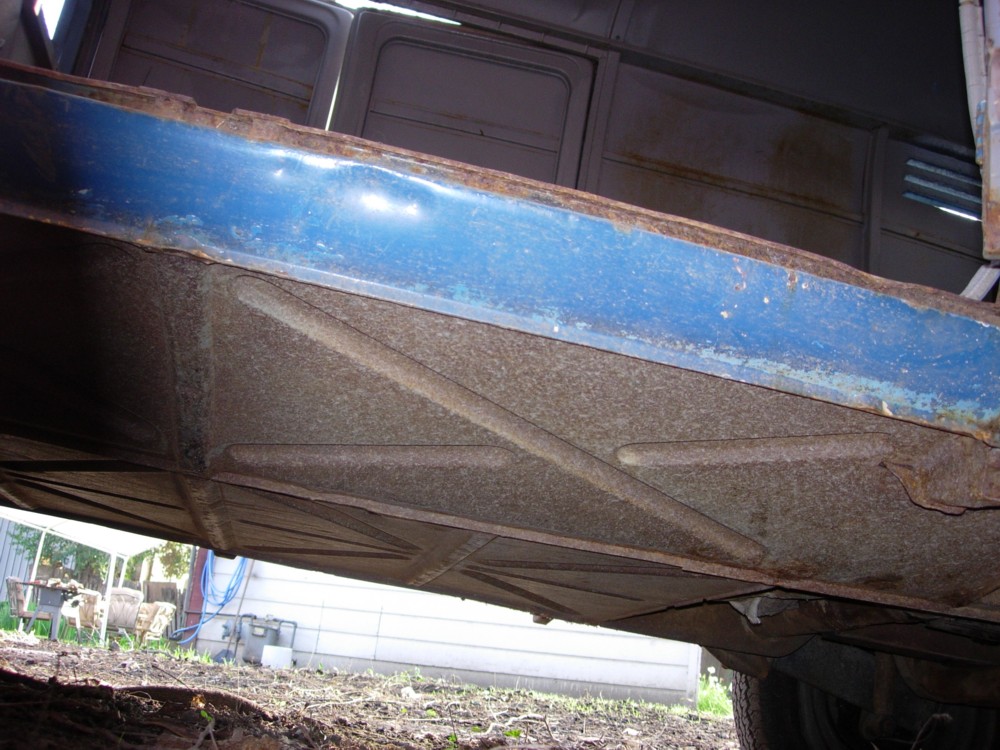
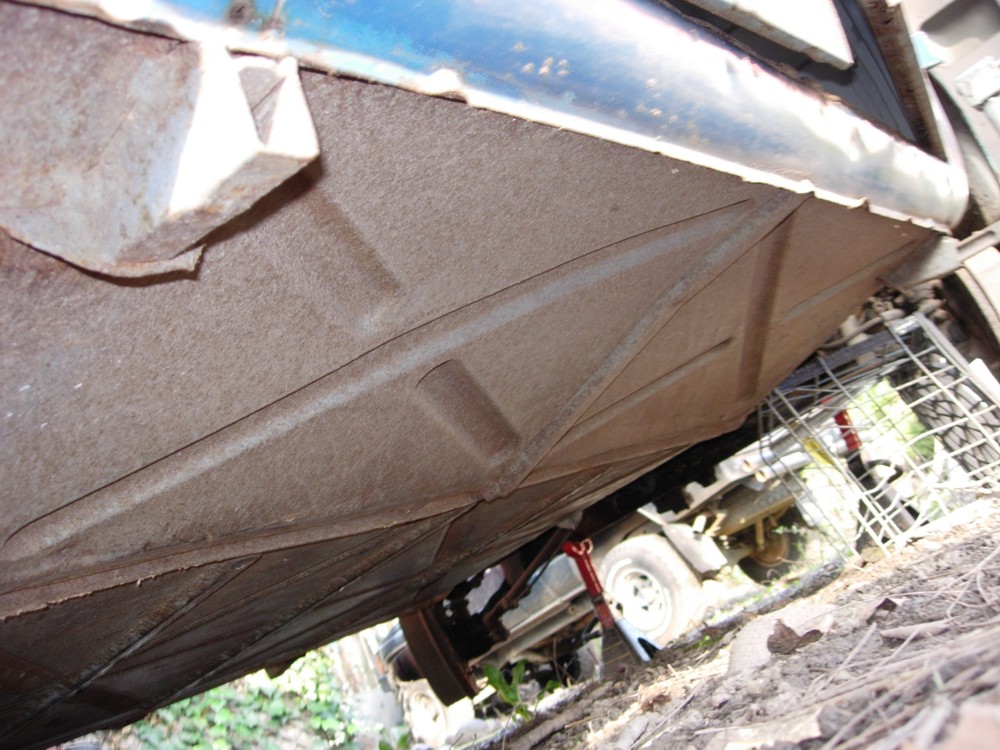
 |
|||||||||||||||
| Beltline | The horizontal line defined by the lower edges of a vehicles windscreen, rear and side windows and pillars. | |||||||||||||||
| Bermuda Triangle | The triangular area inside the lower front A-pillar of a Beetle. | |||||||||||||||
| Bias ply |
Original type of tire used on VWs through the mid 1960s. The tire construction utilized plies that run diagonally from one bead to the
other. One ply is set on a bias in one direction, and succeeding plies are
set alternately in opposing directions crossing each other. Also know as a cross-ply tire. Replaced by
radial tires. 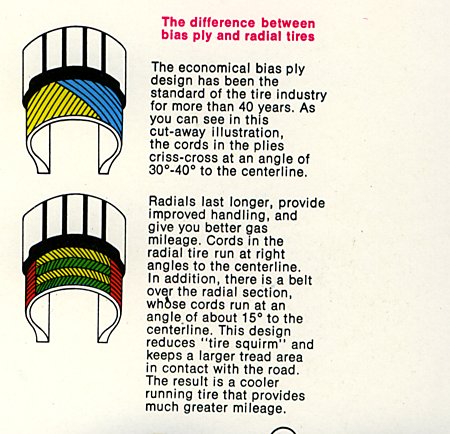 |
|||||||||||||||
| Big Button Glovebox |
Slang term for the larger glove box button used on 1961-early 1963 Notchback
and Squarebacks. A locking version was used on Type 34s, for all years 


 |
|||||||||||||||
| Big M |
Radio produced by Motorola beginning in the late 1950s, characterized by a
large "M" on the face plate. Available as a radio option through US
dealers. Often seen as an "original" radio in Oval-Window Beetles.

 |
|||||||||||||||
| Big Nut | See Large Nut | |||||||||||||||
| Big Top |
Style of Westfalia tent. Usually refers
to the 1966-67 Split-screen
Bus tent without a floor. 1968 and later tents have a floor.

 |
|||||||||||||||
| Big Window |
Often refers to the larger back window used in 1965-1967 Beetles. Also see Small Window  Small vs. Big Window example |
|||||||||||||||
| Billet |
A solid chunk of metal, for use in machining or fabricating a part.
Billet parts are often used in demanding applications such as racing or
military vehicles and are desirable to customizers, who don't really need
the strength and durability of billet parts but who like the appearance.
Billet parts were frequently used in the creation of the
Cal-Look. |
|||||||||||||||
| Binz |
Binz & Co. is a custom coachbuilder, located in the small town of Lorch,
some 30 km east of Stuttgart. The company produced special bodies for a
number of automobile manufacturers, including a series of cabriolets for
Mercedes Benz, ambulances on various chassis, and of course the doppelkabine
pritschenwagen. It is estimated that about 250 Binz trucks were built, and
the location of very few of these are currently known. This makes the
Binz Double Cabs among the very rarest of the
production Volkswagens. For the Type 2, Binz made
Double Cabs by taking a Single Cab pick-up and modifying it with an enlarged
cab and a rear 3rd door. A rear seat was optional. The earliest
Binz Double Cab is thought to be a 1953 model. VW started producing
Double Cabs in its own right in late 1958, although Binz continued one-off
Double Cab production into early 1959.
 |
|||||||||||||||
| Birth Certificate |
Document available from the Volkswagen Museum in Germany that can provide
you with production information on your vehicle such as original VIN or
Chassis #, Engine #, original paint and upholstery colors, and any options
that were factory-ordered. Also known as a Factory Letter. |
|||||||||||||||
| Bjalla | Icelandic: Bjalla. In Iceland, a common nickname for the Beetle sedan and convertible. Bjalla means beetle in Icelandic. | |||||||||||||||
| Blades | Slang for wiper blades. | |||||||||||||||
| Blaupunkt |
OEM Radio manufacturer for VW. The most popular model seems to be the Frankfurt.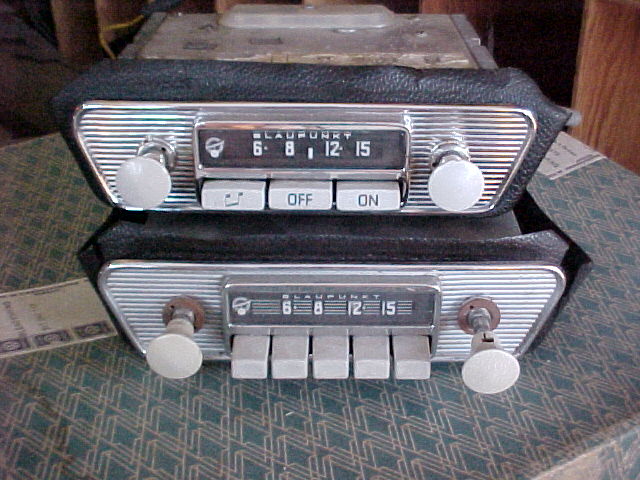
 |
|||||||||||||||
| Block-Off Plate |
Metal plate used to cover hole in dash if radio is not installed. 
 |
|||||||||||||||
| Boble | Norwegian: Bubble. In Norway, a common nickname for the Beetle Volkswagen sedan and convertible. The term "Bubble" for the Beetle is common throughout Scandinavia. | |||||||||||||||
| Bocho | Spanish slang name for the Beetle | |||||||||||||||
| Body Dropped |
Lowering process that involves the separation of the body from the
frame. The body is "dropped" lower on the frame and then
both of them are welded back together. See also lowered,
slammed, and dumped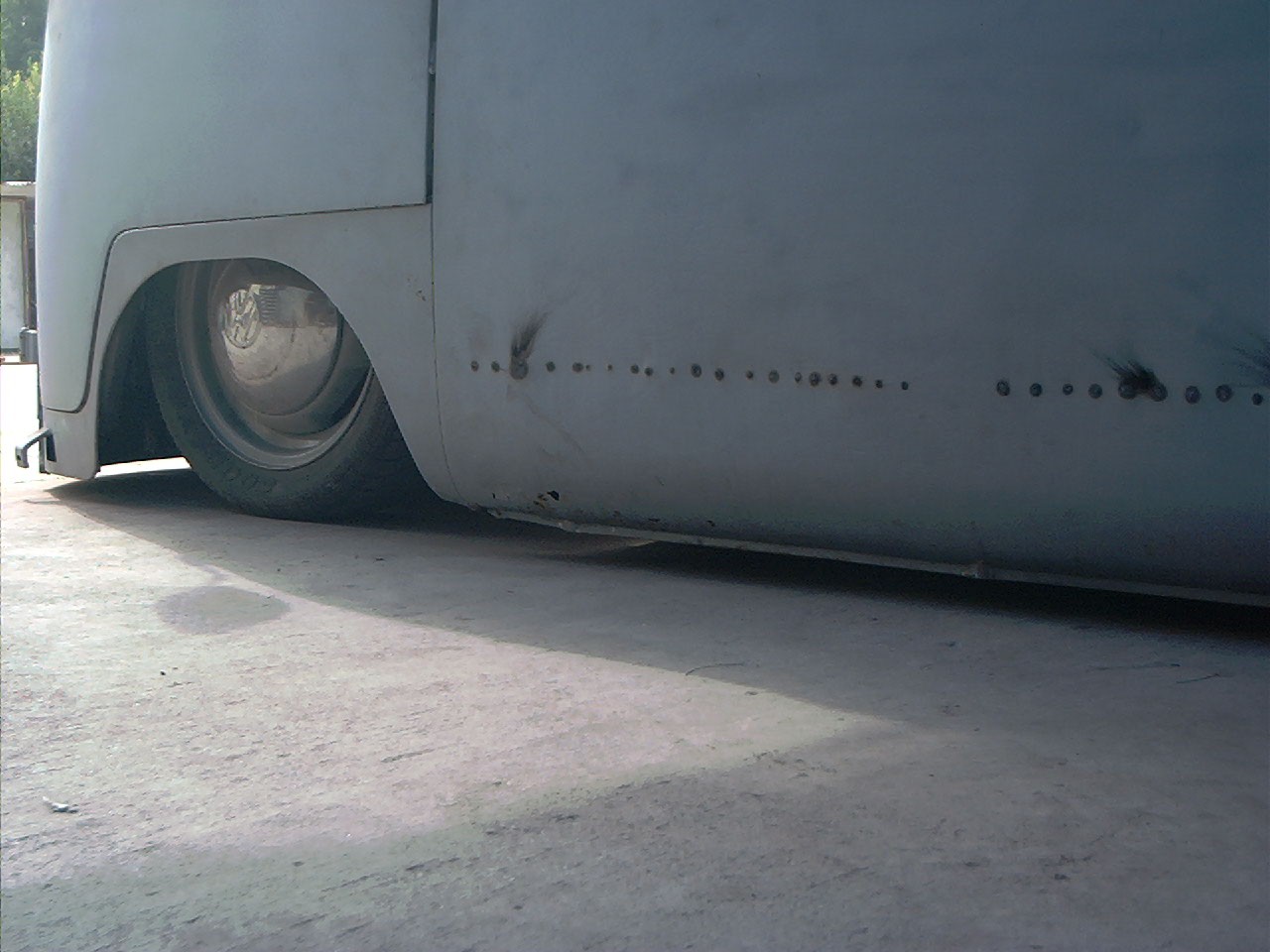 |
|||||||||||||||
| Body Man | Person who performs bodywork. | |||||||||||||||
| Body Number | On Buses, a number stamped behind the passenger front seat before the usage of the M-Code plate. This number was used for tracking the body during the production process but has no useful meaning or direct relationship to the Chassis Number | |||||||||||||||
| Body Work | To perform dent repair on your vehicle. May also include the repair of rust and other damage involving welding or panel replacement. See also Body Man | |||||||||||||||
| Bog�r | The most common name for the Type 1 in Hungary. Means insect, bug or beetle in English. | |||||||||||||||
| Boks | In the Philippines, a deliberate mispronunciation of "Volks". The Tagalog language lacks the "V" sound; the closest value is "b". Philippine VW enthusiasts often intentionally use this misspelling as it is common slang. | |||||||||||||||
| Bondo |
Polyester body filler used to smooth out bodywork or used to repair dents or dings in metal. Bondo has a
negative connotation as it is often associated with poor body work or the
over usage of the Bondo product, i.e. "That Beetle has 1/2" of
Bondo on every fender!".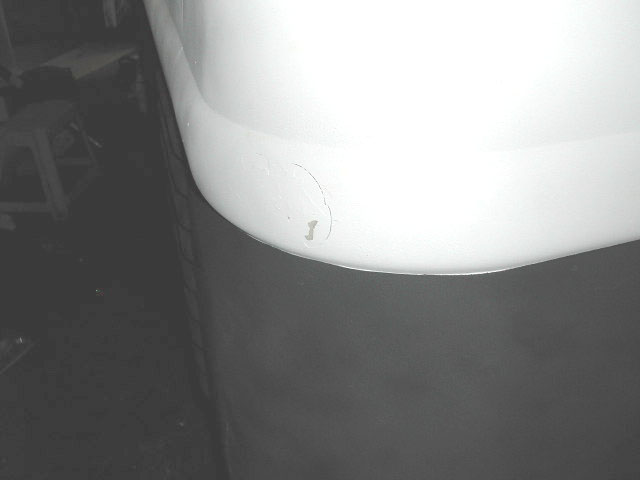
 |
|||||||||||||||
| Boneyard | Slang for junkyard. | |||||||||||||||
| Bonnet | See Hood | |||||||||||||||
| Boonie Bug |
Kit car based on a VW Bus chassis See this Forums thread for more information  |
|||||||||||||||
| Bosch |
OEM supplier to VW. Commonly associated with electrical parts such as
spark plugs, coils, points, fog lights, and generators. |
|||||||||||||||
| Bottom end | Refers to the bottom portion of an engine including the crankshaft, connecting rods and bearings, cam, and other components that deliver power to the transmission and rear wheels. Also see top end | |||||||||||||||
| Bowden tube |
Flexible tube for the clutch cable that travels from the hard tube in the
floorpan to a mount on the transmission. Allows the clutch cable to
flex up and down when the transmission shifts position due to driving
forces. The tube should have enough of a bend in it so that the 2 ends
of the tube stay in place when the transmission movement is at it's maximum.
This is referred to as the "sag" and prevents clutch "chatter" by keeping
the distance between the clutch pedal and the transmission constant through
its range of movement.
 |
|||||||||||||||
| Bows | Another term for Hoops, used to support the canvas bed cover, or Tilt, available for Single and Double Cab trucks. | |||||||||||||||
| Brasilia | Volkswagen do Brasil designed, developed, and
produced a number of interesting vehicles for domestic usage and limited
export, such as the Sa� Paulo SP-1 and SP-2, and others. Among these
is the Bras�lia, which strongly resembles the Variant or
Squareback
Sedan but which is actually a re-bodied Beetle. |
|||||||||||||||
| Breadbox | Slang for tumbler
cover for Westfalia SO-23s.
 |
|||||||||||||||
| Bread Loaf | A nickname for the 1968 - 1979 Transporter. It is a reference to its resemblance to a loaf of bread. See Bay Window. | |||||||||||||||
| Breather Kit | Reduces crankcase pressure, eliminate blow-by (often piston blow-by) and oil loss. Often high revving modified engines require more crankcase ventilation than the stock breather set up can supply. | |||||||||||||||
| Brezelfenster | German slang for describing an early split window beetle, brezel = pretzel to denote the similarity to the window's shape to a german pretzel, and fenster = window. | |||||||||||||||
| BRMs | Type of rim
characterized by: flat spokes, often painted black. 5-lug
design. These were originally made with magnesium and were therefore
very light. Currently being reproduced. Originals have become
very valuable to collectors.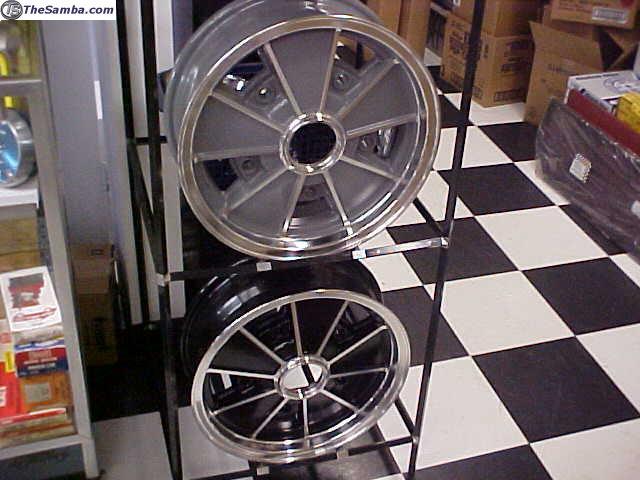 |
|||||||||||||||
| Brown and Brown | Paint scheme consisting of brown beige on top
and light beige on bottom. Only found on the Barndoor Bus Standard model.  |
|||||||||||||||
| Brubaker Box | VW Beetle chassis-based kit constructed of 13
inner and outer fiberglass panels and using parts from several other
vehicles at the times to produce a "box". Originally debuted in 1972
but very few originals were made. It had a single sliding door for
entry and rigidity.

 |
|||||||||||||||
| Buba | Croatian: Bubble. A common nickname for the Beetle sedan and convertible in Croatia and throughout the former Yugoslavia. | |||||||||||||||
| Bubbla | Swedish: Bubble. In Sweden, a common nickname for the Beetle sedan and convertible. | |||||||||||||||
| Bubble Taillights | Style used on buses 1954 - 1957.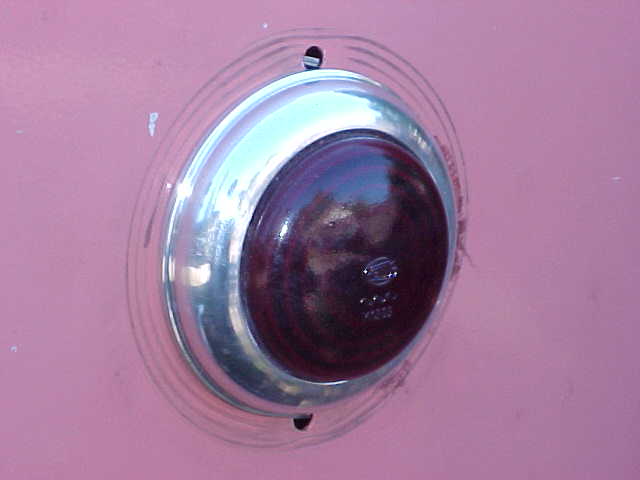
|
|||||||||||||||
| Bubbling | Refers to an imperfection where the paint
bubbles, often caused by heat or rust underneath. |
|||||||||||||||
| Bud Vase | A bud vase, or the more common "blumenvasen",
is an accessory for early
German cars including VWs and Porsche and were usually mounted on the
dashboard. They were used to hold cut flowers or "buds" and were
usually made of glass or porcelain. Original examples are quite hard to find
and very collectable, even though reproductions are currently available. |
|||||||||||||||
| Bug | See Beetle | |||||||||||||||
| Bulkhead | Area of the Volkswagen Beetle directly in
front of the dashboard. On Buses, the panel of metal directly behind
the front seat. |
|||||||||||||||
| Bullets | Indicative of the pointed turn signals used on
VW Buses from 1955-1961 in the USA marketplace as well as the pointed turn
signals used on early Oval Beetles, Ghias, and Type 3s.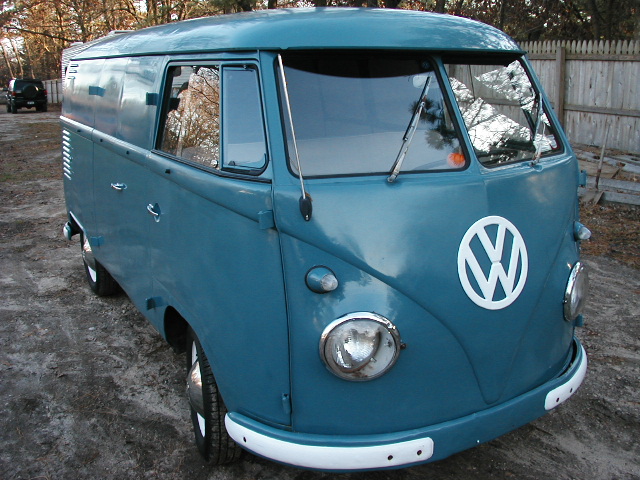 |
|||||||||||||||
| Bulli | Or Bully. Nickname for the VW Bus in Germany. Originally the VW Bus was to be named the VW Bulli but Heinrich Lanz, producer of the Lanz Bulldog farm tractor, objected. The nickname caught on anyway. Also see Bus | |||||||||||||||
| BuM | Manufacturer of locking/latching assemblies.
Examples: Bus door handles, cargo door handles/latches, and rear hatches.
 |
|||||||||||||||
| Bus |
General term describing the VW Transporter
series of vehicles - Panelvans, Kombis,
Standards/Microbuses, and Deluxes. |
|||||||||||||||