| Author |
Message |
fwitiw
Samba Member

Joined: May 11, 2011
Posts: 42
Location: Monroe, Ga

|
 Posted: Thu Apr 02, 2015 8:15 pm Post subject: Posted: Thu Apr 02, 2015 8:15 pm Post subject: |
 |
|
Matt94gt... How'd it go? Squeaky? Now that its spring, have you camped? Thanks for sharing!
_________________
77 Westy 2.0
78 Transporter (no engine yet!)
71 Beetle |
|
| Back to top |
|
 |
matt94gt
Samba Member
Joined: April 29, 2014
Posts: 245
Location: Victoria BC, Canada
|
| Posted: Sun Oct 19, 2014 3:13 pm Post subject: |
|
|
[quote="Clara"]
| matt94gt wrote: |
| Clara wrote: |
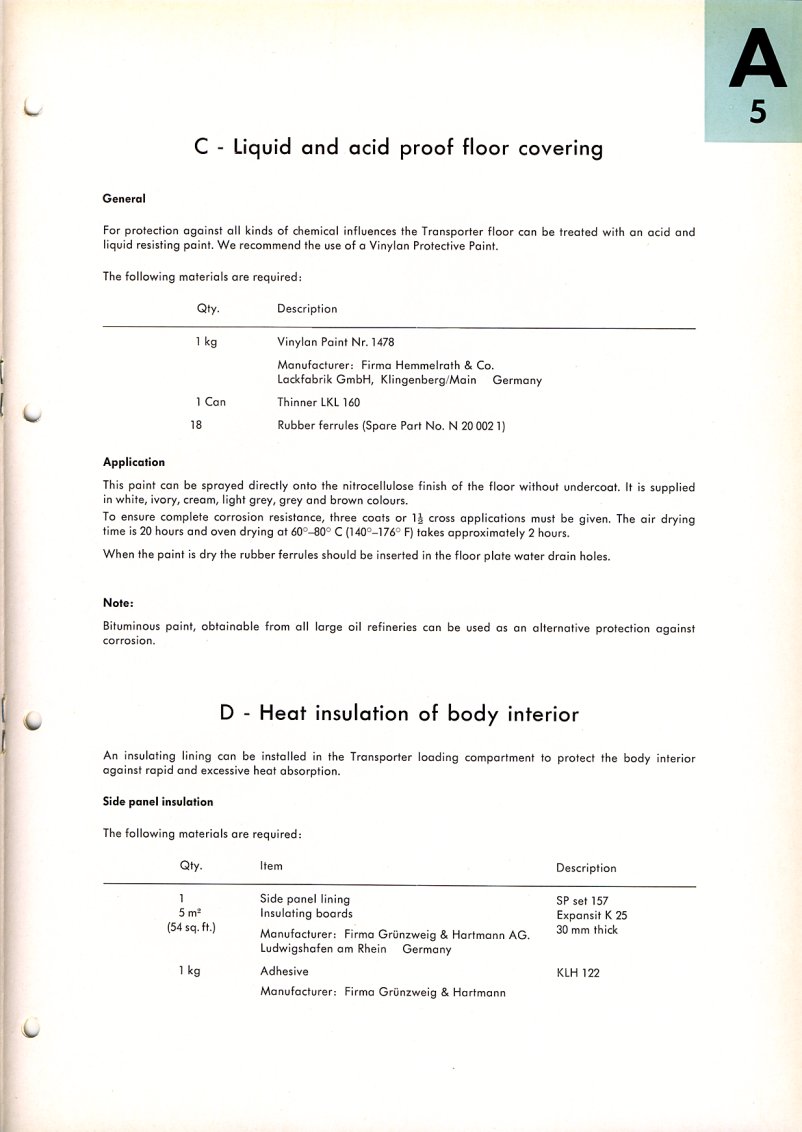
from VW technical bulletin:
Wow that's crazy  what's expansit, looks similar to what I put in. Any stories about it? what's expansit, looks similar to what I put in. Any stories about it? |
It looks like a hard foam that can be cut with a hacksaw blade. That technical bulletin is from from 1959. Here is the previous page, which says the 'Expansit' insulating boards are 30mm thick.
It also says you can protect your cargo floor against corrosion with 'bituminous paint', which sounds a lot like roofing tar.
|
Cool thanks for posting this, I also am putting 3M undercoating on the floors, so its pretty much as if I followed those instructions without knowing. 
_________________
72' Sunroof Bus - Kansas Beige
http://www.vw-mplate.com/mplate-21257.htm
Build thread:
http://www.thesamba.com/vw/forum/viewtopic.php?p=7257521 |
|
| Back to top |
|
|
Clara 
Samba Member

Joined: June 14, 2003
Posts: 12626
|
| Posted: Sun Oct 19, 2014 12:15 pm Post subject: |
|
|
[quote="matt94gt"]
| Clara wrote: |
from VW technical bulletin:
Wow that's crazy what's expansit, looks similar to what I put in. Any stories about it? |
It looks like a hard foam that can be cut with a hacksaw blade. That technical bulletin is from from 1959. Here is the previous page, which says the 'Expansit' insulating boards are 30mm thick.
It also says you can protect your cargo floor against corrosion with 'bituminous paint', which sounds a lot like roofing tar.
|
|
| Back to top |
|
|
esde
Samba Member

Joined: October 20, 2007
Posts: 6364
Location: central rust belt
|
| Posted: Sun Oct 19, 2014 9:55 am Post subject: Re: Bubble Wrap Home Depot |
|
|
| Roger H wrote: |
| Home Depot does not stock the bubble wrap as in the past but you can however order it from them online. |
Any HVAC supply sells it for insulating metal duct work. |
|
| Back to top |
|
|
matt94gt
Samba Member
Joined: April 29, 2014
Posts: 245
Location: Victoria BC, Canada
|
|
| Back to top |
|
|
Clara
Samba Member
Joined: June 14, 2003
Posts: 12626
|
| Posted: Sun Oct 19, 2014 7:56 am Post subject: |
|
|
from VW technical bulletin:
|
|
| Back to top |
|
|
Thin Metal
Samba Member
Joined: June 27, 2004
Posts: 135
|
| Posted: Sat Oct 18, 2014 10:48 pm Post subject: Bubble Wrap Home Depot |
|
|
| Home Depot does not stock the bubble wrap as in the past but you can however order it from them online. |
|
| Back to top |
|
|
matt94gt
Samba Member
Joined: April 29, 2014
Posts: 245
Location: Victoria BC, Canada
|
|
| Back to top |
|
|
Clara
Samba Member
Joined: June 14, 2003
Posts: 12626
|
| Posted: Wed Oct 15, 2014 11:06 pm Post subject: Re: Bubble wrap R-value |
|
|
| Don66bus wrote: |
Clara,
You are correct. When you have a bare, hot, metal surface, and you put insulation against it (bubble wrap, old carpet, cardboard), you are not going to feel the heat as much. The first increment of insulation is the most important. Foil bubble wrap is about R1. So is an enclosed air space (more or less), such as the space between the interior panel and the body. If you want to increase the comfort of a bus in cold or heat, add insulation. The higher the R-value, the less the heat loss. Bubble wrap has the lowest R-value of any product you can buy. That may still be enough for your needs. |
Don,
Not feeling the heat (or cold) as much is pretty much the point of insulating.
If the shiny bubble wrap is R1, it is a huge difference. Maybe it works differently in a VW bus than under concrete. ???
You are correct, the first layer was the most noticeable difference. I then added a second layer and then the ceiling panels. These layers were not sandwiched tightly against each other, or even glued to the roof. There was some air space in between each layer.
I guess I could take pics of a thermometer to compare temps, but haven't bothered.
This is one method; it worked well for me so I've used it again. I'm sure there are others that work well also.
I have camped in cold, even freezing weather. Often in a damp climate.
I would not recommend carpet or cardboard for insulating your bus, as they hold moisture. |
|
| Back to top |
|
|
matt94gt
Samba Member
Joined: April 29, 2014
Posts: 245
Location: Victoria BC, Canada
|
| Posted: Wed Oct 15, 2014 6:00 pm Post subject: Re: Bubble wrap R-value |
|
|
| Don66bus wrote: |
Clara,
You are correct. When you have a bare, hot, metal surface, and you put insulation against it (bubble wrap, old carpet, cardboard), you are not going to feel the heat as much. The first increment of insulation is the most important. Foil bubble wrap is about R1. So is an enclosed air space (more or less), such as the space between the interior panel and the body. If you want to increase the comfort of a bus in cold or heat, add insulation. The higher the R-value, the less the heat loss. Bubble wrap has the lowest R-value of any product you can buy. That may still be enough for your needs. |
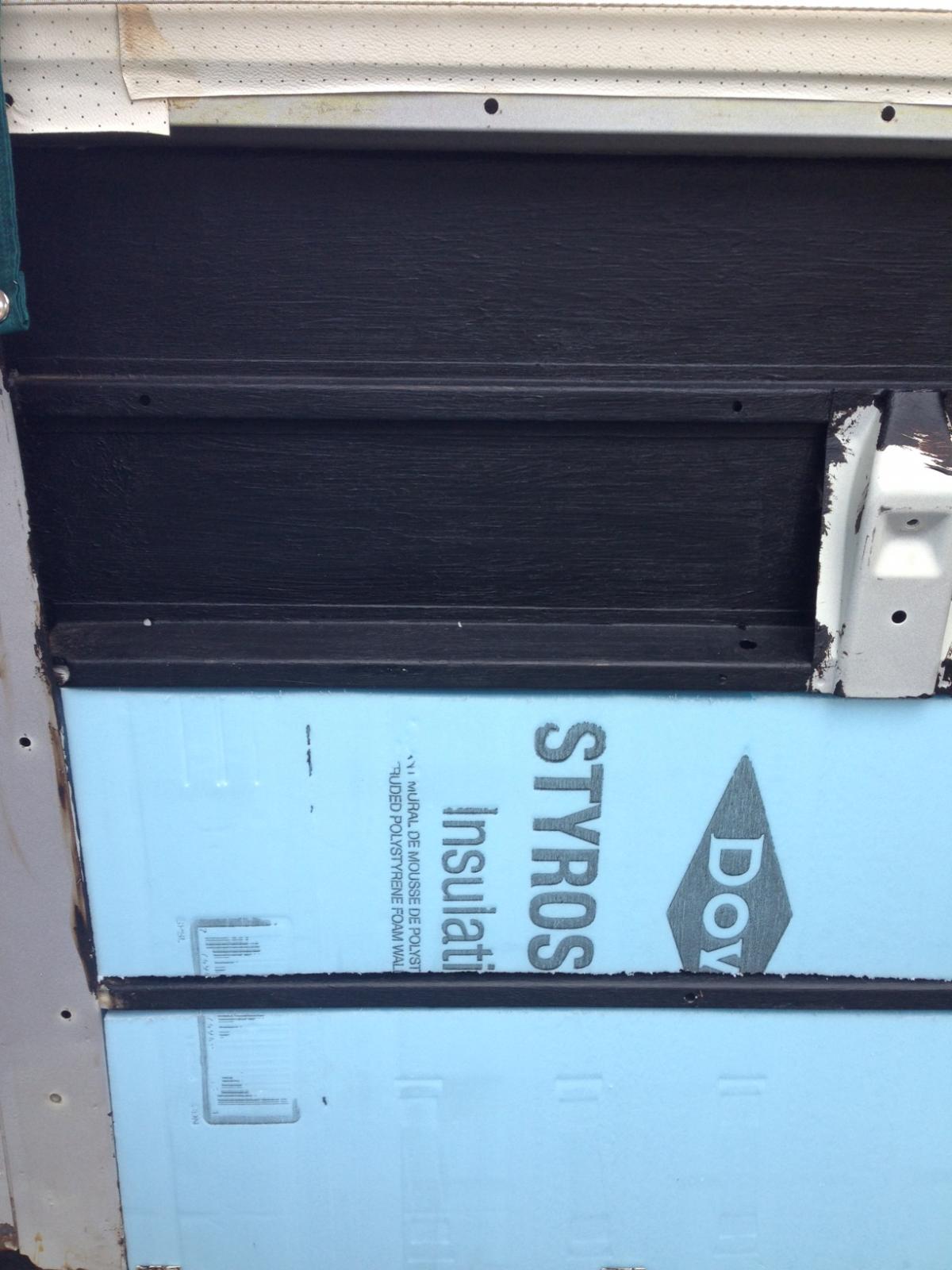
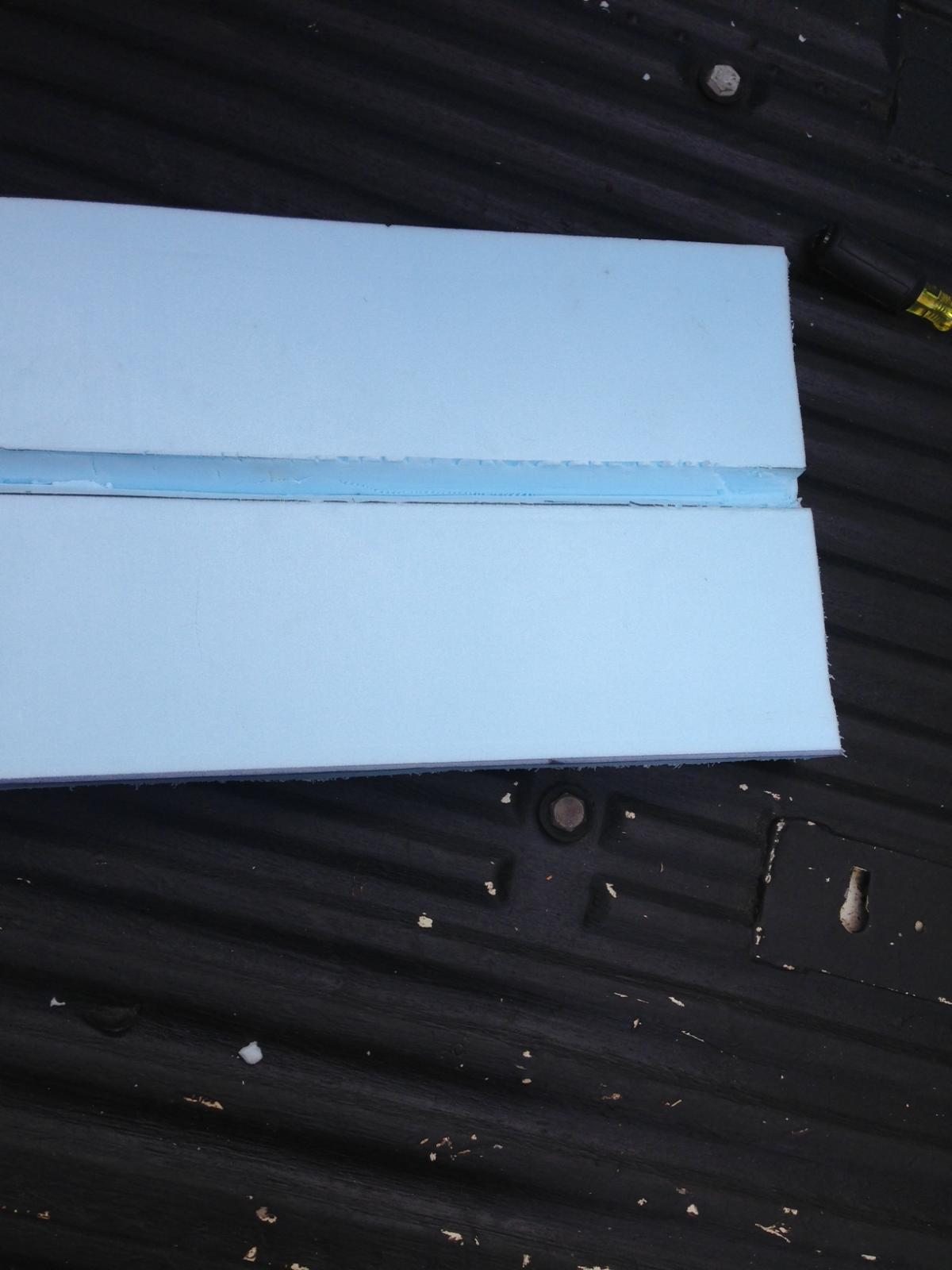
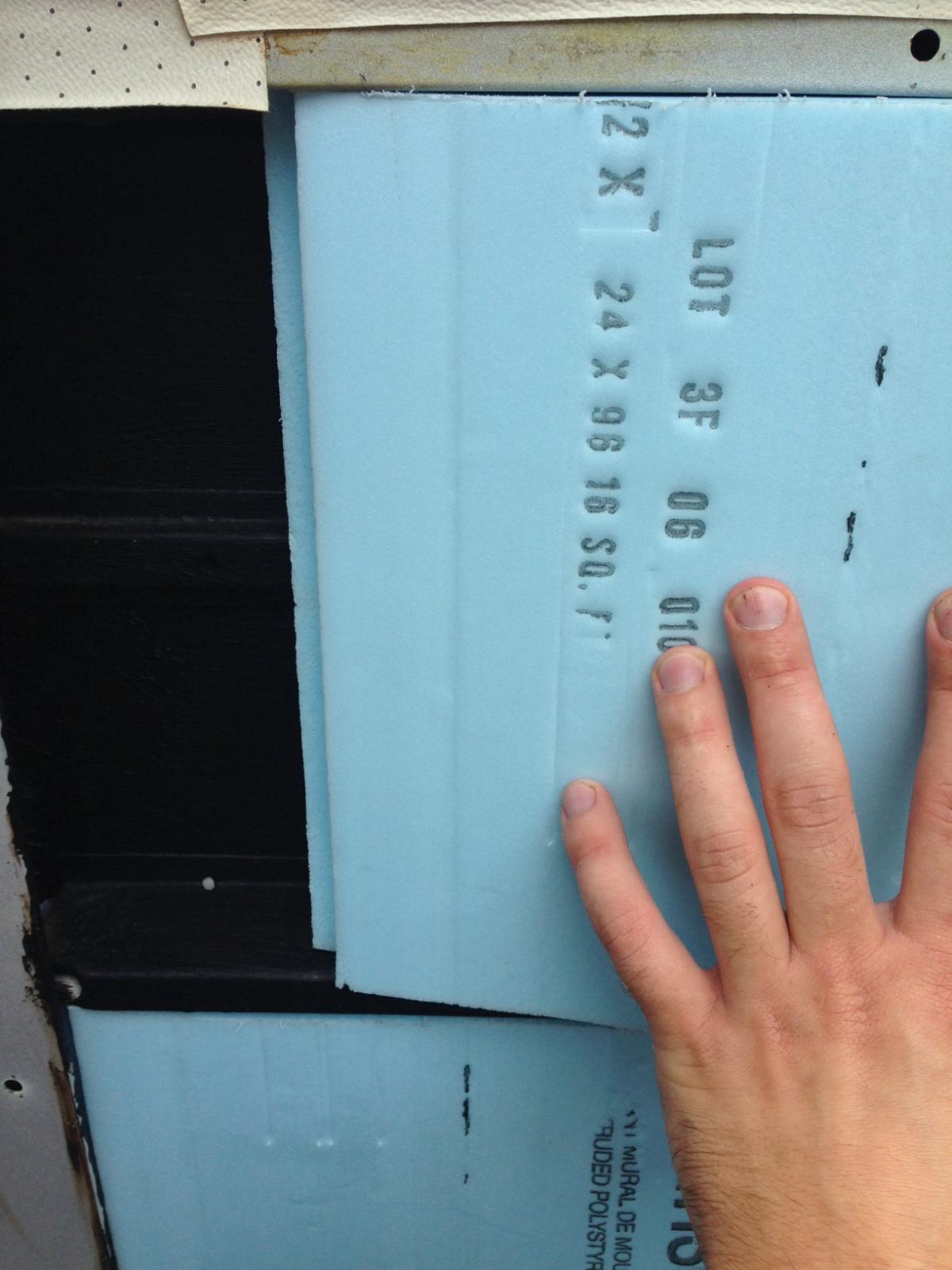
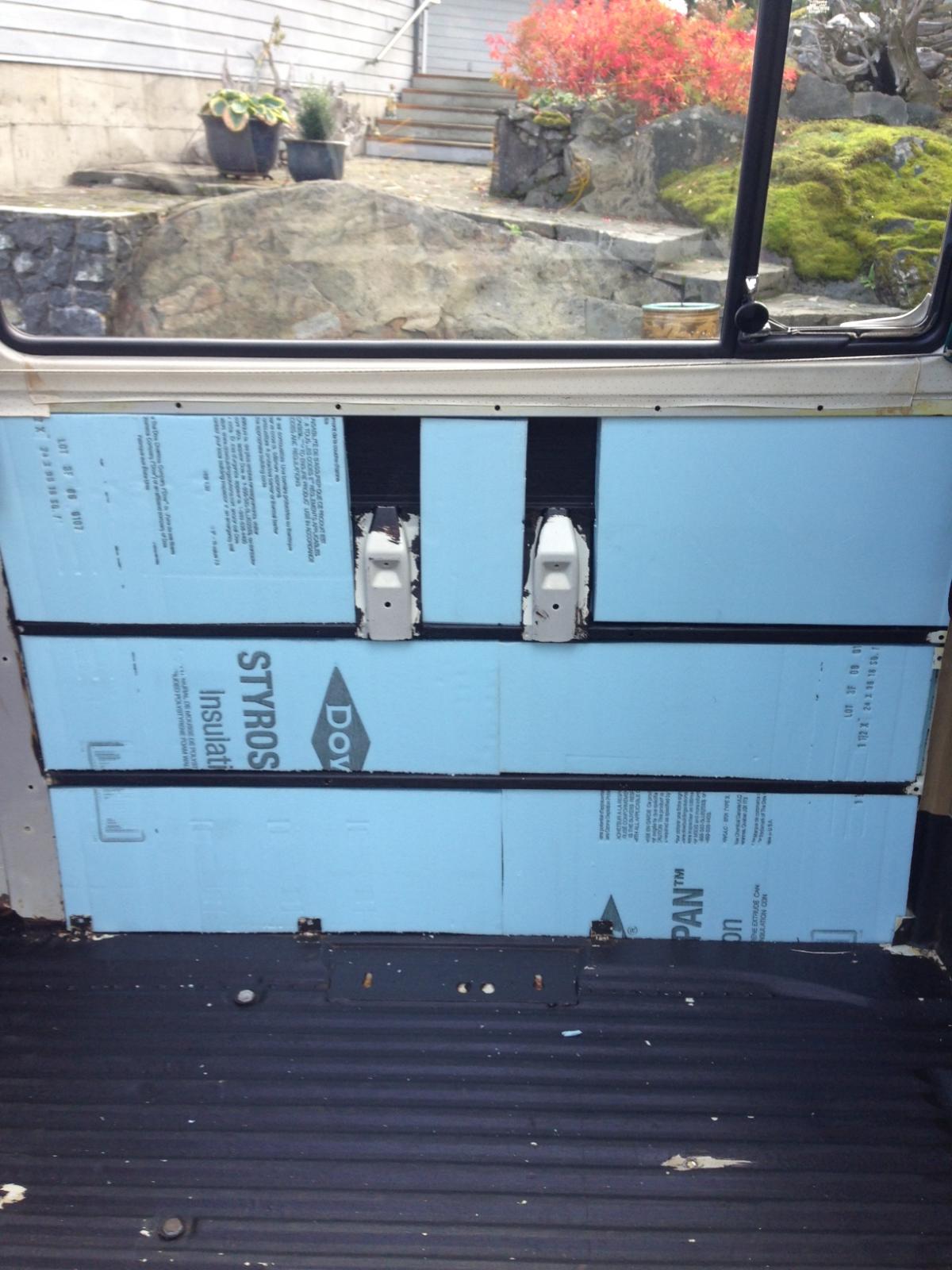
Yeah thats my worry as I camp in the bus. Im still going to see how this styrospan works out, its a true R5.
_________________
72' Sunroof Bus - Kansas Beige
http://www.vw-mplate.com/mplate-21257.htm
Build thread:
http://www.thesamba.com/vw/forum/viewtopic.php?p=7257521 |
|
| Back to top |
|
|
Don66bus
Samba Member

Joined: January 11, 2006
Posts: 440
|
| Posted: Wed Oct 15, 2014 3:56 pm Post subject: Bubble wrap R-value |
|
|
Clara,
You are correct. When you have a bare, hot, metal surface, and you put insulation against it (bubble wrap, old carpet, cardboard), you are not going to feel the heat as much. The first increment of insulation is the most important. Foil bubble wrap is about R1. So is an enclosed air space (more or less), such as the space between the interior panel and the body. If you want to increase the comfort of a bus in cold or heat, add insulation. The higher the R-value, the less the heat loss. Bubble wrap has the lowest R-value of any product you can buy. That may still be enough for your needs. |
|
| Back to top |
|
|
Clara
Samba Member
Joined: June 14, 2003
Posts: 12626
|
| Posted: Wed Oct 15, 2014 1:29 pm Post subject: Re: Foil bubblewrap |
|
|
| Don66bus wrote: |
| I have not tested car insulation but I have managed research and testing on house insulation. The foil bubble wrap products do not insulate well... |
When I installed the roof panels in the 67 Riviera I used to own, it was on a really hot day. It was very hot in the bus in the sun, uncomfortably so. As soon as I spread the foil bubble wrap insulation in the roof it suddenly became a lot cooler and more comfortable.  This was before I installed the roof panels. This was before I installed the roof panels.
That showed me that the foil bubble wrap stuff works.
Just having the panels in place does insulate somewhat, as it has a trapped air space there.
I put two layers of foil bubble wrap above the cab roof panels and installed the cab roof panels in my kombi, and was amazed how much warmer my head was when driving around. This with a bare roof in the back of the bus. |
|
| Back to top |
|
|
Don66bus
Samba Member
Joined: January 11, 2006
Posts: 440
|
| Posted: Wed Oct 15, 2014 12:34 pm Post subject: Foil bubblewrap |
|
|
I have not tested car insulation but I have managed research and testing on house insulation. The foil bubble wrap products do not insulate well and manufacturers usually lie on their websites. Here is one link to research we did years ago on these products: http://www.noutilitybills.com/PartsAccessories/Piping/BFIUnderSlabInsulation.html
That data shows that the bubble wrap has about R1 in insulating value as opposed to the R5/R13/R21 claimed. There are ways that a foil sheet can provide some higher insulation but it is usually hanging in a cavity with air on both sides, which is unlike any sort of automotive application.
Roxul, as much as I like for houses, will lead to condensation and rusting just like fibreglass. Do not use it.
A vapor barrier/air barrier material properly glued to the inside of the body (with no air gaps) should avoid rusting problems, but could cause difficulties if you ever want to weld or repair that metal. |
|
| Back to top |
|
|
matt94gt
Samba Member
Joined: April 29, 2014
Posts: 245
Location: Victoria BC, Canada
|
|
| Back to top |
|
|
Eric&Barb
Samba Member
Joined: September 19, 2004
Posts: 26125
Location: Olympia Wash Rinse & Repeat
|
| Posted: Sun Oct 12, 2014 8:01 pm Post subject: |
|
|
| flemcadiddlehopper wrote: |
I really didn't think they needed to mention the thermal values of it...it's thinsulate, the stuff they make winter coats and mittens out of. |
Problem is what is good R value for a sleeping bag that is a small enclosed area wrapped directly around a heat source, can be not as good for a larger enclosed area due to the increased outer surface area.
Found this info about thinsulate. R value varies from .79 to 2.64, and pretty sure the sleeping bags have a bit of internal fluffy insulation to boot.
http://www.rockywoods.com/Fabric-Information-Help/...te-from-3M
Sleeping bags made of EZ cool or MBI would be not so comfortable and would not let moisture vapor breathe out of the bag making for a wet sleep! Plus the thinsulate and inner insulation probably compresses up better when rolled up into a smaller package.
_________________
In Stereo, Where Available! |
|
| Back to top |
|
|
matt94gt
Samba Member
Joined: April 29, 2014
Posts: 245
Location: Victoria BC, Canada
|
| Posted: Sun Oct 12, 2014 5:27 pm Post subject: |
|
|
| Eric&Barb wrote: |
There are three ways to insulate, that come to mind.
1. Trap lots of pockets of air in a substance so heat transfer is slowed way down, but this requires more thickness space.
2. Reflective material (Apollo lander lower stage was gold colored to reflect heat), this takes a lot less thickness.
3. Vacuum, but that takes rigid walls like glass tubes to work.
Going by the R values from Reflectix and EZ cool it looks like the latter is better. Maybe this is due to the added foam, and since both are reflective they are the same in that way.
1/2" thickness should leave a good air gap between the inner paneling and the outer sheet metal for air movement.
Not liking the styrospan due to squeaking and the stiff board like factor. What fire rating does it have??
How much area coverage for a $1700.00 roll of the 3M stuff? |
I'm going to see if I can score some styrospan free. I'll keep you guys posted. Not sure on the 3m couldn't find much info.
_________________
72' Sunroof Bus - Kansas Beige
http://www.vw-mplate.com/mplate-21257.htm
Build thread:
http://www.thesamba.com/vw/forum/viewtopic.php?p=7257521 |
|
| Back to top |
|
|
Eric&Barb
Samba Member
Joined: September 19, 2004
Posts: 26125
Location: Olympia Wash Rinse & Repeat
|
| Posted: Sun Oct 12, 2014 4:19 pm Post subject: |
|
|
There are three ways to insulate, that come to mind.
1. Trap lots of pockets of air in a substance so heat transfer is slowed way down, but this requires more thickness space.
2. Reflective material (Apollo lander lower stage was gold colored to reflect heat), this takes a lot less thickness.
3. Vacuum, but that takes rigid walls like glass tubes to work.
Going by the R values from Reflectix and EZ cool it looks like the latter is better. Maybe this is due to the added foam, and since both are reflective they are the same in that way.
1/2" thickness should leave a good air gap between the inner paneling and the outer sheet metal for air movement.
Not liking the styrospan due to squeaking and the stiff board like factor. What fire rating does it have??
How much area coverage for a $1700.00 roll of the 3M stuff?
_________________
In Stereo, Where Available! |
|
| Back to top |
|
|
esde
Samba Member
Joined: October 20, 2007
Posts: 6364
Location: central rust belt
|
| Posted: Sun Oct 12, 2014 3:21 pm Post subject: |
|
|
The solid insulation works well, but lends itself more to being layered into flat panels, where it can be fitted tightly. In a bus, with the slightly irregular curve and shape, fitting it will be tough. And as you noted, it squeaks. I would bet it sounds like a hundred mice while going down a bumpy road.
As for bagging the insulation, it's commonly called "fully encapsulated" when using fiberglass or rock wool batts. Perfect for keeping the insulation fibers out of the atmosphere, and the atmosphere out of the insulation. |
|
| Back to top |
|
|
matt94gt
Samba Member
Joined: April 29, 2014
Posts: 245
Location: Victoria BC, Canada
|
| Posted: Sun Oct 12, 2014 2:19 pm Post subject: |
|
|
| esde wrote: |
I'll throw a few cents into the ring:
The Roxul that's sold for home insulation can and will absorb moisture (condensation). I've seen it, no way I'd use it in a bus. Looking at their site they do offer a marine grade product with moisture resistant material
http://www.roxul.com/products/marine/sl+300+boards+and+slabs+(acoustic+applications)
Maybe, a better product. Really though, you have two ways to approach insulating the voids. One, you completely fill the void with a closed cell insulation. If there is no air gap, and no humidity absorbed by the insulation (as it's closed cell), then there will be no opportunity for condensation on the inner surface. Or, you plan for an air space, and air movement through it, and just insulate the back of the interior panels.
There's a ton of info on insulating campers here, under expedition vehicles
http://expeditionportal.com/forum/
With the bus, you'll never seal up the skin completely because of all of the channels. I'd glue the bubble panels to the back of my interior panels, or use loose insulation in plastic dry cleaning bags fastened to the back of the panels. Having some air gap between the outer skin and insulation works in your favor also, creating a "thermal break" between the outside and inside surfaces..
Great stuff, and most other foam stuck directly to metal panels usually ends with disappointment.
SD |
I'll check out that link. What were you refering to when you said "great stuff"? Never thought of putting the insulation in plastic bags, but again I guess that is a bandaid vs using a proper insulation that won't absorb in the first place. What about a product like that styrospan? I think it would work great just floating in there. Just worried about squeaking.
_________________
72' Sunroof Bus - Kansas Beige
http://www.vw-mplate.com/mplate-21257.htm
Build thread:
http://www.thesamba.com/vw/forum/viewtopic.php?p=7257521 |
|
| Back to top |
|
|
esde
Samba Member
Joined: October 20, 2007
Posts: 6364
Location: central rust belt
|
| Posted: Sun Oct 12, 2014 2:09 pm Post subject: |
|
|
I'll throw a few cents into the ring:
The Roxul that's sold for home insulation can and will absorb moisture (condensation). I've seen it, no way I'd use it in a bus. Looking at their site they do offer a marine grade product with moisture resistant material
http://www.roxul.com/products/marine/sl+300+boards+and+slabs+(acoustic+applications)
Maybe, a better product. Really though, you have two ways to approach insulating the voids. One, you completely fill the void with a closed cell insulation. If there is no air gap, and no humidity absorbed by the insulation (as it's closed cell), then there will be no opportunity for condensation on the inner surface. Or, you plan for an air space, and air movement through it, and just insulate the back of the interior panels.
There's a ton of info on insulating campers here, under expedition vehicles
http://expeditionportal.com/forum/
With the bus, you'll never seal up the skin completely because of all of the channels. I'd glue the bubble panels to the back of my interior panels, or use loose insulation in plastic dry cleaning bags fastened to the back of the panels. Having some air gap between the outer skin and insulation works in your favor also, creating a "thermal break" between the outside and inside surfaces..
Great stuff, and most other foam stuck directly to metal panels usually ends with disappointment.
SD |
|
| Back to top |
|
|
|